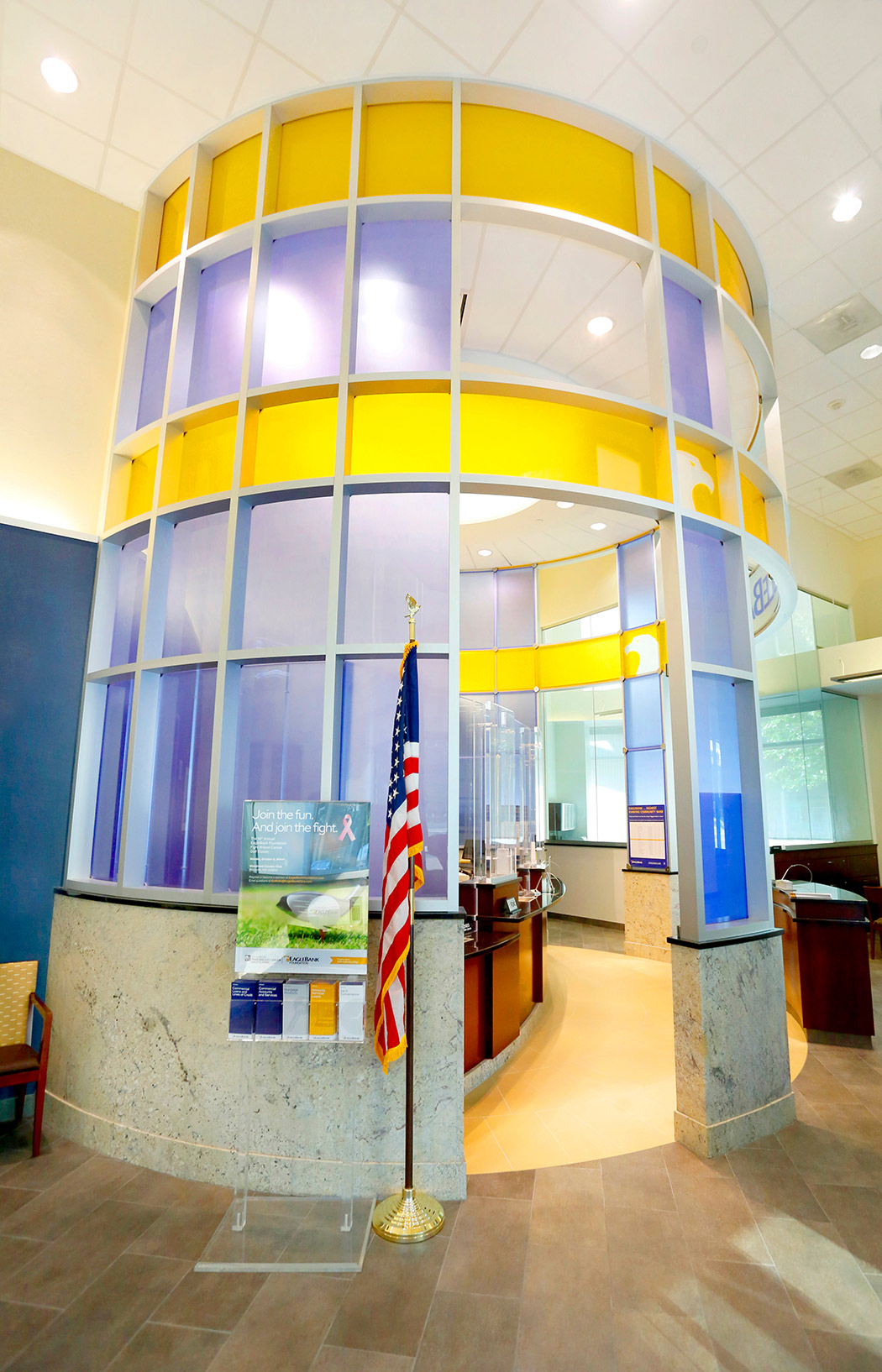
How to effectively plan your project, protect its design, and meet the construction schedule
Creating custom glazing systems requires time, planning, and process that are unique to the project. Too often, as construction schedules and budgets get compressed, there is an assumption that the custom materials can be sped up accordingly. That’s unfortunately not always the case.
The most important thing to consider when starting a custom project, is that the design team will be defining all aspects of the system, from design through structural tradeoffs. This happens from project development through design-build stages. When using standard product, you have the convenience of access to existing library testing, and your material choices, sizes and thicknesses are limited to what works within those test parameters. Basically, if you stay within product parameters, you will be safe. This “transactional” type of purchase and design is fast and easy to meet tight construction schedules, but it won’t win any design awards.
Custom glazing system development gives you complete flexibility to match architectural intent. Many system solutions can be developed based on proven design methodology, which maintain performance and structural integrity. However, it takes additional time to tweak things like material sizing, anchors, and coordination with adjacent systems. It is important to launch the design stage with a full discovery process that brainstorms, identifies, and budgets all of the potential options that should be considered, so that you don’t have to go all the way back to square one when it’s time to value-engineer the system. This is the point where the team must plan the design assistance schedule within the overall construction schedule.
Material choices can have a big effect on lead times. For instance, a glass fabricator may have limited quantities of 3/4” low iron glass, but a large inventory of 3/8” low iron glass. If you have the flexibility to use a laminate of 3/8” over 3/8” glass, and understand the tradeoffs, you may be able to get the same look in a lower price, with a much shorter lead time.
Structural considerations of custom systems can also have a significant impact on the construction schedule. Oversized, tall-span glazing systems impose unique loads on the surrounding structure. One of the common considerations during the design stage is to determine where these systems will be dead-loaded conventionally at the base, or hung from above. These decisions are based partially on the characteristics of the custom materials, and partially on the limitations of the surrounding structure. The analysis doesn’t always change the base building structure, but coordination of structures should be given appropriate time to consider impact.
In the end it comes down to the definition of your systems. Are you willing to accept existing off-the-shelf products for the convenience of design simplicity, or do you want to create something with your signature on it? Off-the-shelf systems can be delivered within shorter lead times, where customization and uniqueness of the aesthetic is not a key project driver. Signature projects incorporating custom glazing systems require a well thought out design-assistance stage, complete with a system-specific timeline that allows for analysis and experimentation that will get you as close to the design intent as possible.