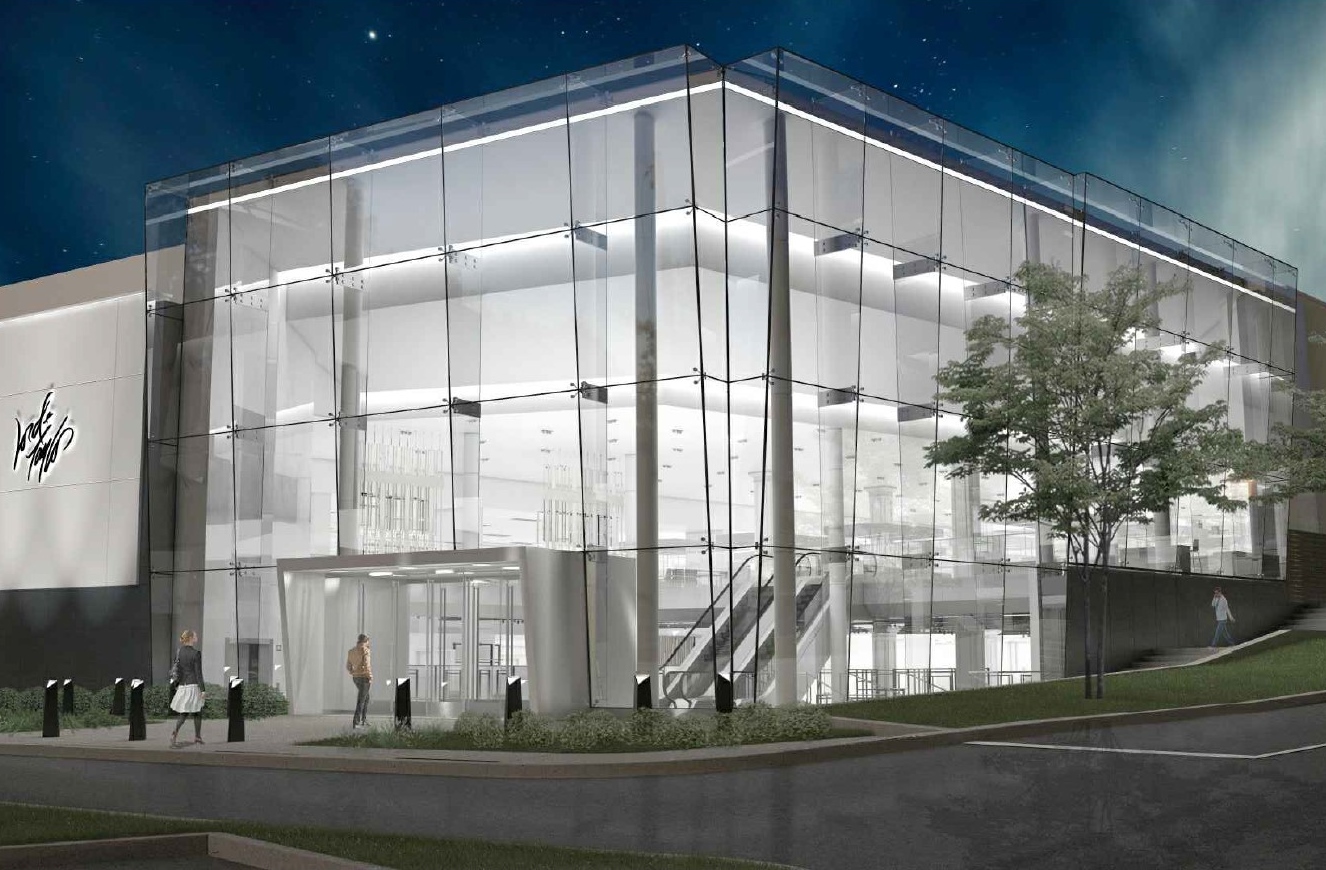
Choosing the Right Type of Heat Treated Glass for Your Project
When approaching a custom glass project, it is important to consider the type of heat treated glass that is best for your needs. This can depend on a variety of factors including application, budget, and safety. Annealed glass can be treated with a few different heat treatment methods to achieve various strength and safety levels. The three types of heat treated glass Bellwether most often finds specified are heat-strengthened, fully tempered, and heat soaked. Each of these heat treatments affect the overall cost of the glass, and are best for specific applications.

Annealed Glass
Annealed glass is the basic form of glass before it is treated. It is created by pouring molten glass onto molten tin and then cooling the glass in an annealing oven once it has solidified. This cooling process removes any residual stress. The thickness is controlled by increasing or decreasing the rate at which the glass flows on top of the tin. All glass must be fabricated in its annealed state, meaning it must be cut into the desired shape and all holes drilled before any heat treatment is performed.
Bellwether typically does not use annealed glass for projects because it is fragile due to its low amount of surface heat compression. It is not typically strong enough to use with point supported glass fittings. In addition, it breaks into long, sharp jagged pieces that can pose serious safety threats.
To meet strength and safety requirements, annealed glass can be heat-strengthened, fully tempered, or laminated. In some cases, glass lites are too large to fit into a tempering oven, and lamination can be used to achieve safety. When laminated glass is broken, the fragments adhere to the laminate, reducing the risk of injury.
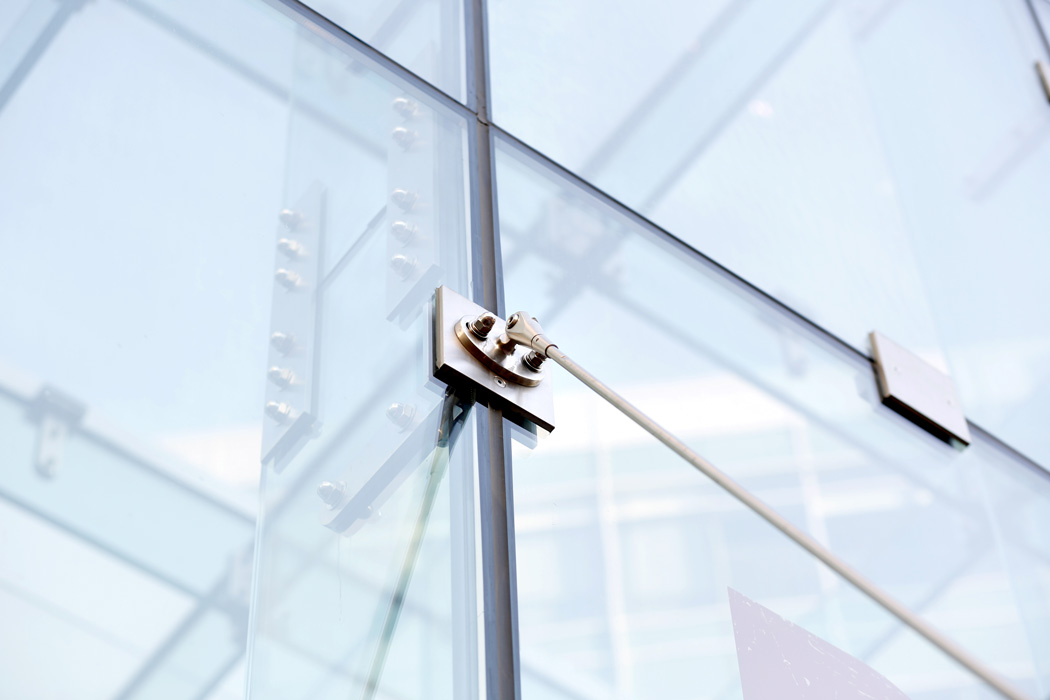
Heat-Strengthened Glass
Heat-strengthened glass is created by heating annealed glass to its softening point and then cooling it using water. Water cools the surface of the glass quicker than air, which creates a greater surface compression. Heat-strengthened glass is two times stronger than annealed glass, but not as strong as safety glass, and is more resistant to heat, wind, and flying objects. This type of glass is typically laminated and used in overhead applications like skylights or canopies. The heat treatment reduces the risk of breakage in the first place, and the lamination keeps broken pieces from falling if a breakage does occur.


Fully Tempered Glass
Fully tempered glass is created in a similar manner to heat-strengthened glass, but the cooling process occurs at a much faster rate which produces a much higher surface compression. This makes glass that is four times stronger than annealed glass. When fully tempered glass breaks, it forms very small, square shaped fragments, that are much less dangerous than the large jagged pieces from annealed glass. Bellwether often uses tempered glass because it is strong enough for point supported structures, and because of the reduced safety threat it poses. This type of glass is especially good for areas where glass breakage is frequent such as storefronts and car windshields.

Heat Soaked Glass
Heat soaking takes the temping process a step further by replicating the heating and cooling cycles glass ungeros from the sun over a long period of time. These heating and cooling cycles are achieved in a factory oven where the temperature is raised to 290°C. In the process of creating glass, it is possible for nickel to contaminate it, and nickel sulfide inclusions to form. Although it is a fairly rare phenomenon, it is possible for glass to spontaneously break from nickel sulfide inclusions. The heat soaking process will cause glass with these inclusions to break in the oven, eliminating the risk of it breaking once installed. This process adds cost and time to the project schedule, so the probability of spontaneous breakage needs to be weighed against these considerations.
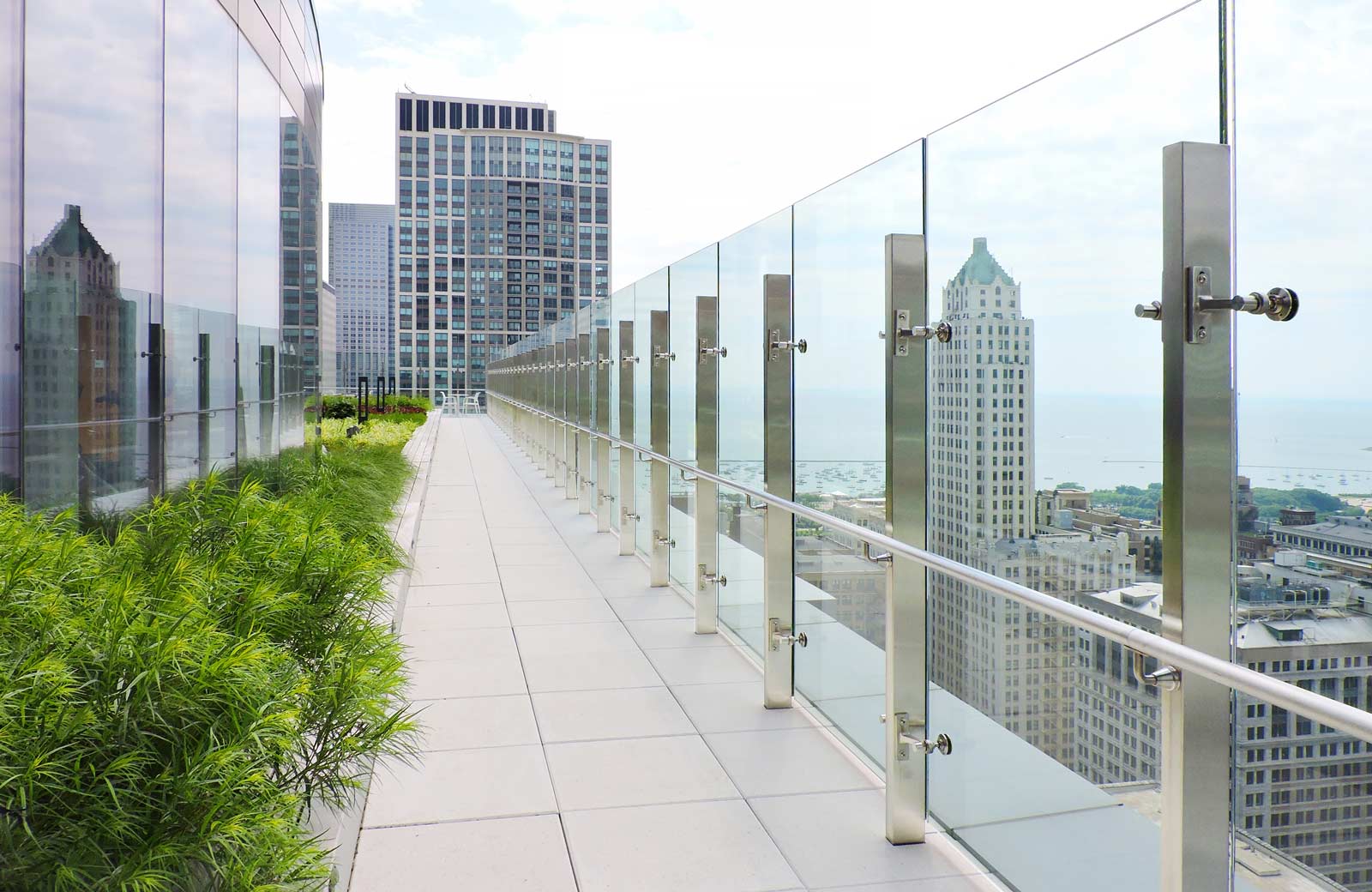
When choosing the best type of heat treated glass for your project, a combination of factors must be considered, including safety, cost, glass application, local code, and project schedule. Bellwether is here to help architects and engineers consider all of these factors and ensure the highest quality project while staying within budget and schedule.